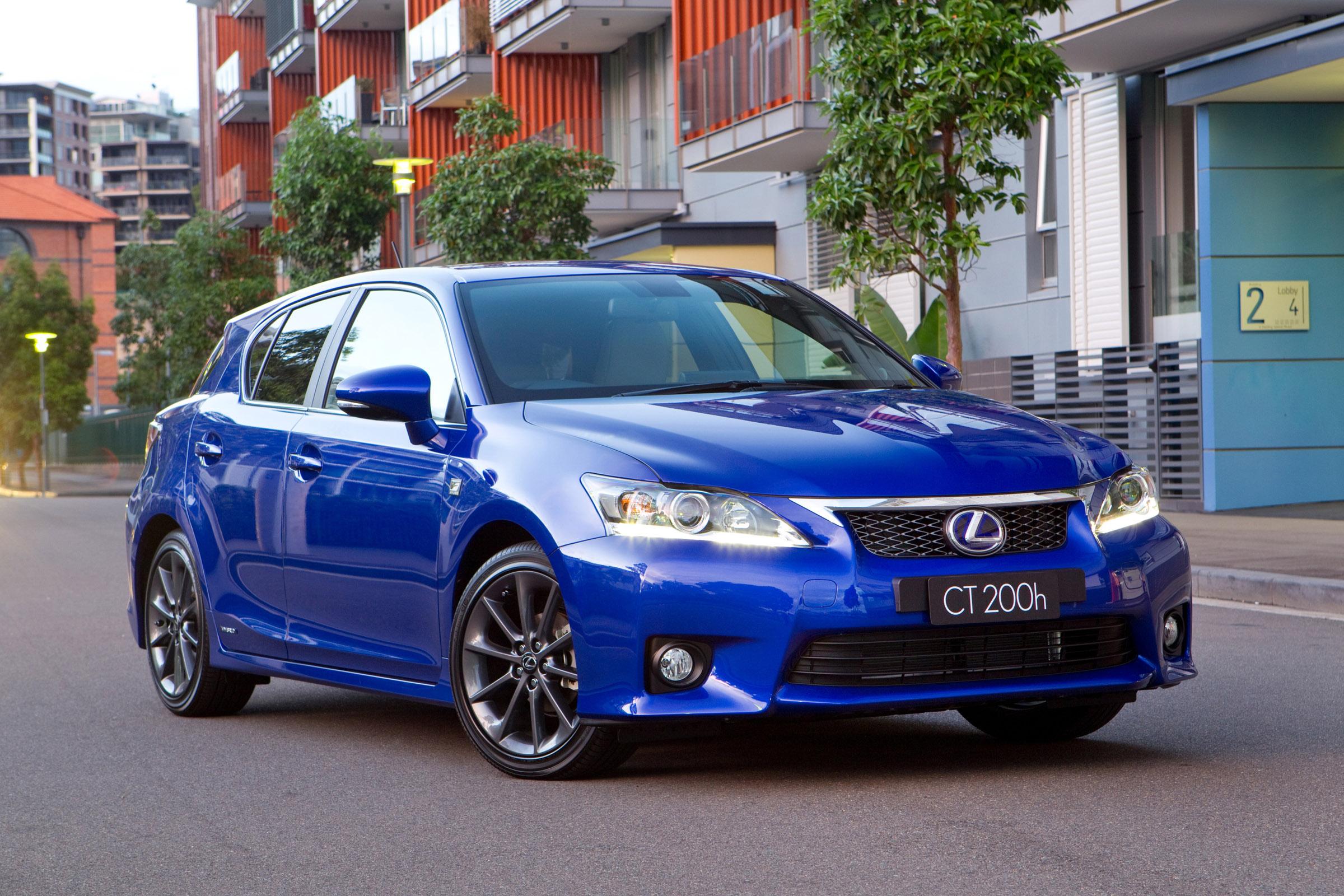
If you're driving a Lexus CT200h and wondering why it rides more like a tuned civic than a luxury hybrid, you're not imagining things. The issue isn't the car's suspension geometry — it's the tires.
From the factory, most CT200h models come equipped with 215/45R17 tires. When you run the math, that calculates to a 24.6-inch overall diameter with just 3.8 inches of sidewall. That is a very low-profile setup for a heavy hybrid hatchback. When sidewall is that thin, you feel every crack, seam, and pothole because the impact goes straight into the wheel assembly instead of being absorbed by the rubber.
I went digging through CT200h owner forums to see how widespread this complaint actually is. It's incredibly consistent. Multiple owners independently describe hitting potholes with real anxiety, calling the stock ride harsh and completely mismatched for a car that carries a Lexus badge.
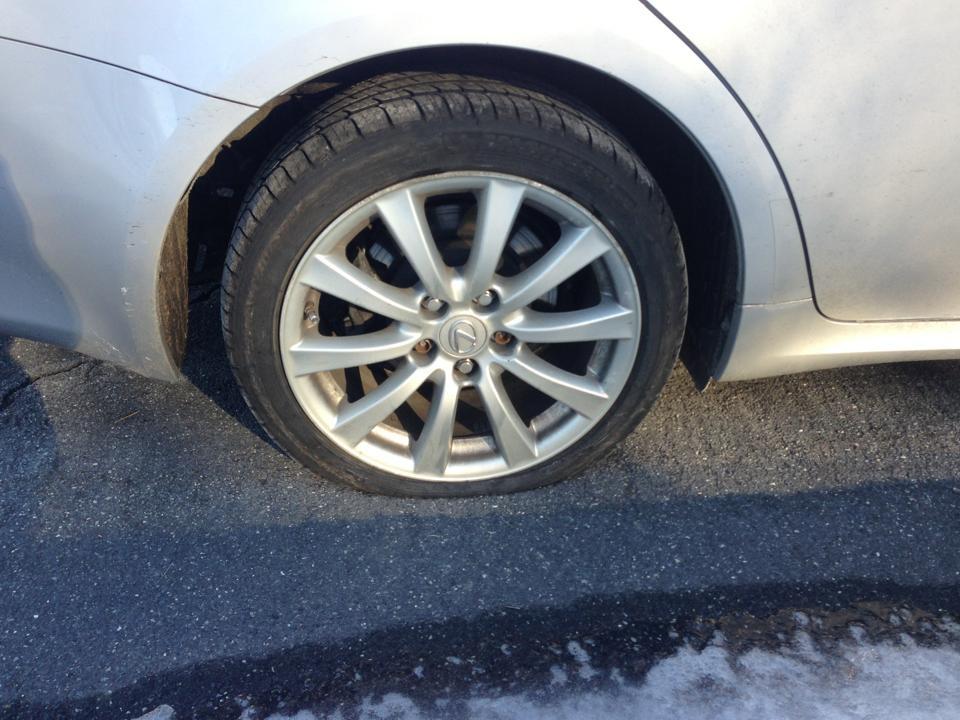
The Cost of a Harsh Ride: Blowouts and Bent Wheels
Ride quality is just the daily annoyance. The real frustration shows up when it starts costing money. Low-profile tires offer significantly less physical rubber to cushion the wheel from the road. This means the sidewalls are highly prone to bubbling or tearing on sharp impacts, and the wheels take the brunt of the force on bad pavement. Add in the CT200h's extra curb weight from the hybrid battery pack, and it's easy to see why bent rims and blown sidewalls are a frequent topic in owner discussions.
The fix most owners land on doesn't involve touching the springs or dampers. They just change the tire size — specifically, they go slightly taller. I calculated the actual diameter math to see exactly what changes, and cross-checked it against what real owners report after making the swap.
Why a Taller Tire Changes Everything
Going from a 45-series aspect ratio to a 50 or 55 doesn't sound dramatic, but it's a measurable physical change. More sidewall means a larger cushion of air between the road and your rim. You stop feeling pavement imperfections as directly, and you gain critical impact protection. Per owner reports across CT200h forums, this single change makes the car ride the way people expected a Lexus to ride in the first place.
Every CT200h Tire Size Compared
Here is how the common upgrades stack up. Diameter and speedometer impacts are calculated directly from tire geometry (Rim + 2 * Sidewall Height), then cross-checked against independent owner measurements.
| Size | Diameter vs. Stock | Sidewall Height | Speed at 60 mph indicated | Rubbing Reports? |
|---|---|---|---|---|
| 215/45R17 (Stock) | 24.6" (Baseline) | 3.81" | Accurate | None |
| 215/50R17 | 25.5" (+3.4%) | 4.23" | Actual speed ≈ 62 mph | None found |
| 215/55R17 | 26.3" (+6.9%) | 4.65" | Actual speed ≈ 64 mph | Yes (on hard turns) |
| 205/55R16 | 24.9" (+1.1%) | 4.44" | Actual speed ≈ 60.6 mph | None (requires 16" wheels) |
Speedometer Warning:
A taller tire makes your speedometer read slower than your actual speed. So if you upgrade to the 215/55R17 and your dash shows 60 mph, you are actually traveling closer to 64 mph. Keep that in mind when setting cruise control.
The Sizes Owners Actually Run
1. 215/50R17 — The Smart Upgrade
This size bumps your overall diameter to 25.5 inches — about a +3.4% increase over stock. One CT200h forum member calculated this directly for their own car, and another independently confirmed the real-world speedometer effect. That's a modest, practical jump: you gain nearly half an inch of sidewall cushioning, and there were zero rubbing reports in the forum threads I reviewed for this specific size.
2. 215/55R17 — Comfort-First, With a Real Fitment Tradeoff
This is a +6.9% diameter increase over stock, bringing the tire to 26.3 inches tall. It is a noticeably bigger jump. One CT200h forum owner who installed a set of Hankook Kinergy ST H735s in this size called the ride transformation dramatic, describing it as going from constant pothole anxiety to a confident, comfortable ride.
However, the tradeoff is real. At least one CT200h owner on ClubLexus who moved up to this size specifically reported rubbing when turning hard. They documented a distinct rubbing sound on hard left turns that they were trying to troubleshoot. That means 215/55R17 carries a real, non-hypothetical risk of fender or liner rubbing depending on your alignment and suspension wear.
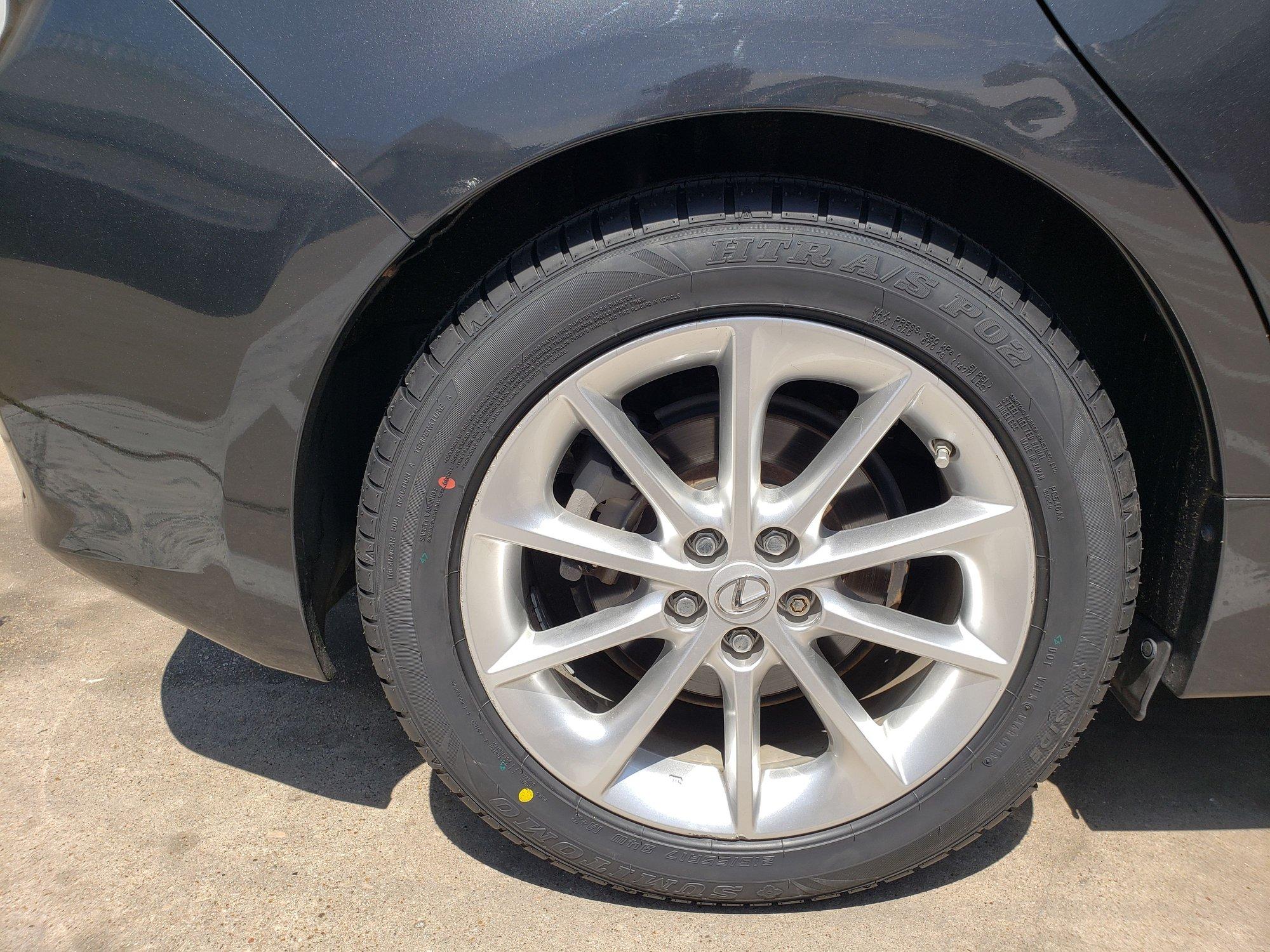
What About Downsizing to 16-Inch Wheels?
Dropping to 16-inch wheels and running 205/55R16 tires is actually the factory size on CT200h models sold in some overseas markets. This setup gives you a 24.9-inch diameter — just a +1.1% change over the US stock setup, meaning almost zero speedometer error — while providing significantly more sidewall.
One owner who swapped from a 17-inch to a 16-inch setup measured the noise difference with a decibel meter. Driving the same stretches of road at the same speeds, they recorded a 6dB reduction in cabin noise. The catch? You have to source and buy a completely new set of 16-inch wheels, making this a much more expensive project than just swapping rubber on your existing 17s.
The Final Recommendation
The stock 215/45R17 setup is a documented mismatch for a comfort-oriented hybrid. If you're tired of bracing for impact every time you see a pothole, the data points to a clear fix.
For most daily drivers, the 215/50R17 is the safest, most reliable upgrade. It gives you noticeable ride improvement, a small, predictable speedometer correction, and a clean fitment record with no documented rubbing.
If comfort is your absolute top priority and you're willing to accept the tradeoffs, the 215/55R17 provides the maximum sidewall cushioning. Just go in knowing that there are documented cases of this exact size rubbing on hard turns, so verify your wheel offset and alignment before committing.