I see these two tires cross-shopped constantly, and it is easy to understand why. They are both made by Michelin, both highly reviewed, and both sit in a similar premium price bracket. However, they are not designed to solve the same problem—a detail the marketing copy from either side often fails to make obvious.
Let's cut through the overlap and look at what is actually different between the two.
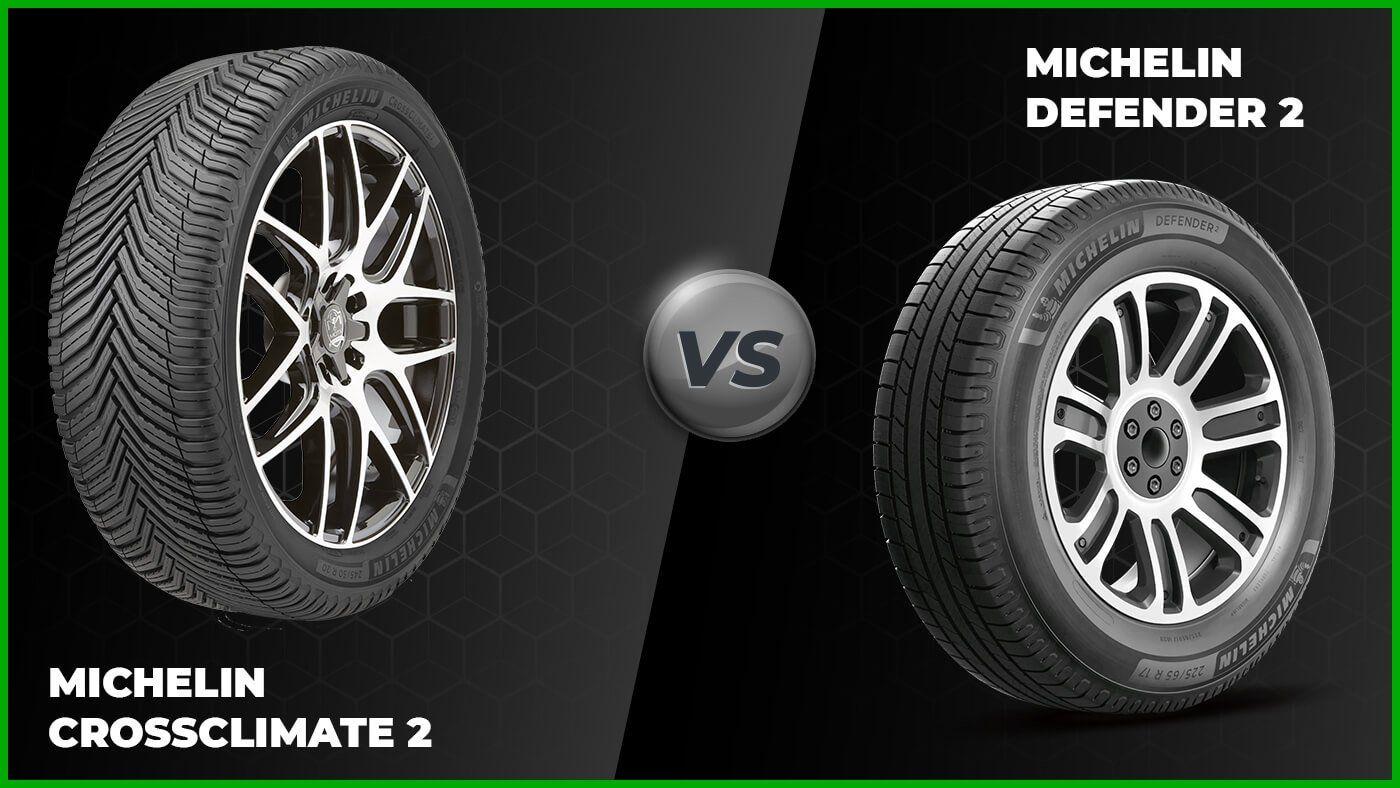
The Short Version
If you only remember one thing from this guide, make it this: The CrossClimate 2 is built to handle real snow; the Defender 2 is not.
The CrossClimate 2 carries the 3PMSF severe-snow rating. The Defender 2 is a pure all-season touring tire engineered strictly for maximum tread life and a quiet ride, with light snow as merely a secondary capability. That is the real fork in the road for your decision—much more so than vague arguments over "comfort versus grip."
| Tire Model | Warranty | UTQG | Winter Rating |
|---|---|---|---|
| Michelin CrossClimate 2 | 60,000 miles | 640 BA | 3PMSF Certified ✓ |
| Michelin Defender 2 | 80,000 miles | 820 (or 800 AA) | None — All-season only |
What Each Tire is Actually Built For
Michelin CrossClimate 2 (The All-Weather Option)
This is Michelin's premier all-weather tire. It carries the 3PMSF severe-snow certification, meaning it has passed rigorous, independent snow-traction testing that most standard all-season tires do not even attempt to take. It is backed by a 60,000-mile warranty and a UTQG treadwear rating of 640 BA across all sizes.
Michelin's internal testing claims it stops significantly shorter than leading competitors in both wet and dry conditions. While you should always take manufacturer braking claims with a grain of salt, the 3PMSF certification is independently verified: it represents real, tested snow capability, not just clever marketing.
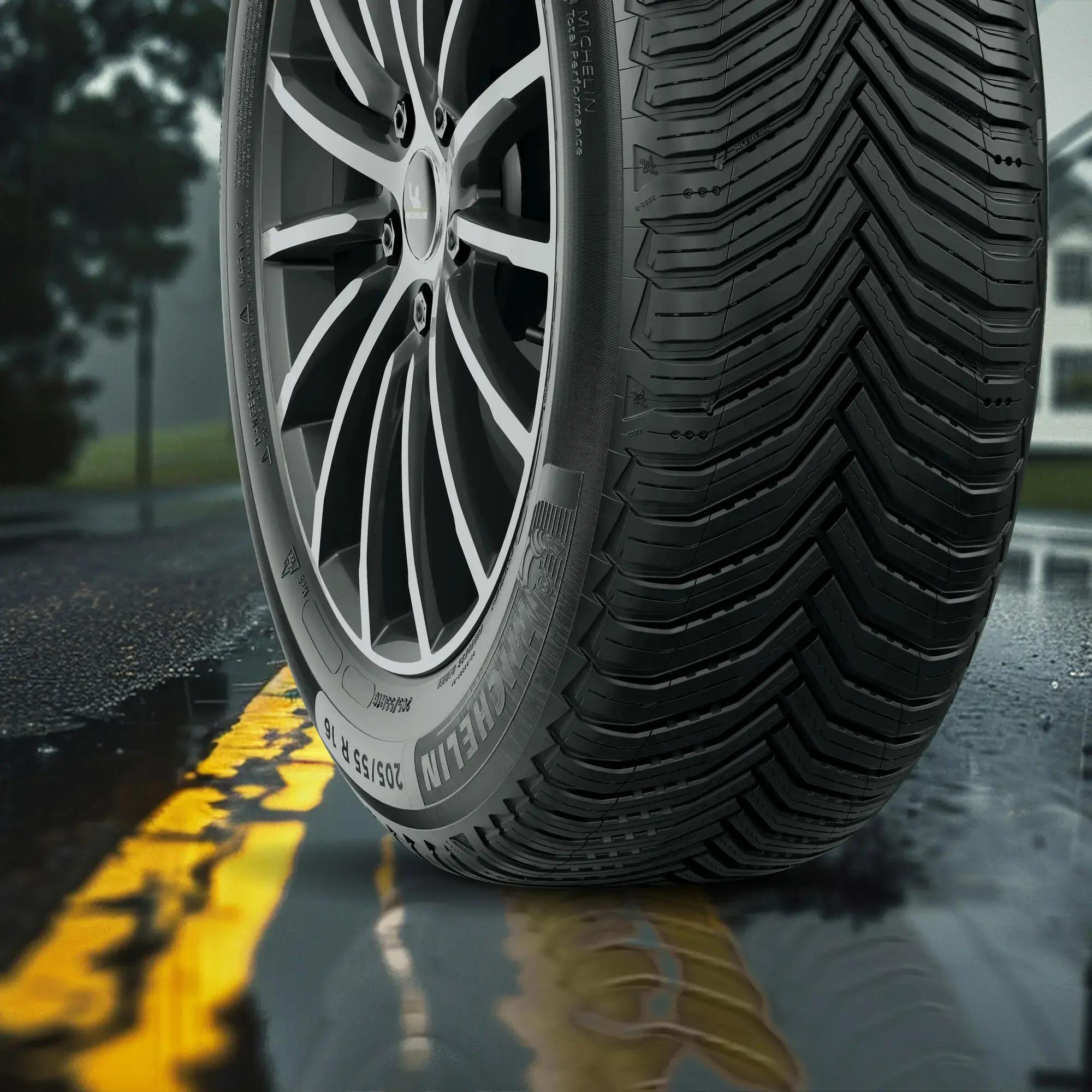
The Trade-off: This certification does not make it a 1:1 substitute for a dedicated winter tire in extreme, heavy snow or solid ice. Instead, it perfectly closes the gap for drivers who experience seasonal winter weather but refuse to run two separate sets of tires.
Michelin Defender 2 (The Touring All-Season Option)
This is Michelin's high-mileage touring tire. It is not winter-rated. Instead, it is built entirely around an aggressive 80,000-mile warranty and a massive UTQG treadwear score—meaningfully higher than the CrossClimate 2.
This is the tire you buy if your absolute priority is going as many years as possible between replacements on a daily driver, minivan, or compact CUV. It pairs that longevity with quiet, highly comfortable highway manners. Michelin’s internal testing puts the Defender 2 more than 25,000 miles ahead of three leading competitors on treadwear—a staggering gap, even for a manufacturer-controlled test.
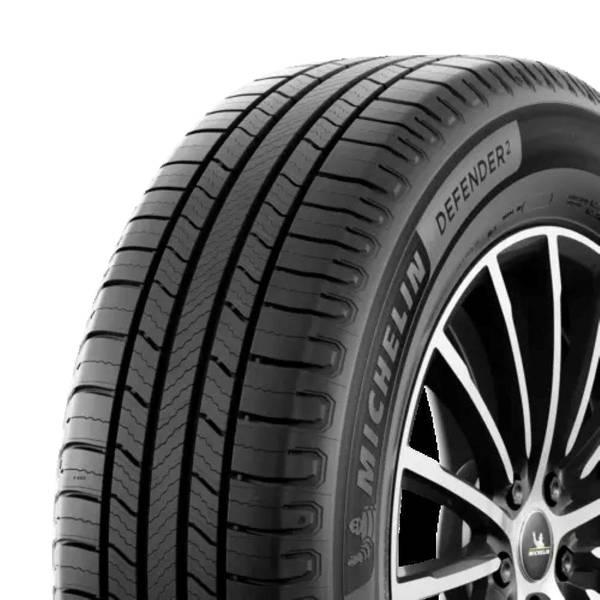
The Trade-off: It lacks a 3PMSF rating. It handles light snow the way standard all-season tires do: adequately, but not confidently. It is not the right choice if you regularly commute through real winter accumulation.
My Honest Read
If you live somewhere that gets real winter weather—even occasionally—and you refuse to deal with storing and swapping a second set of tires, the CrossClimate 2 is the winner. That 3PMSF rating is a real, tested capability, and there is simply no way to extract that kind of snow grip out of the Defender 2.
Conversely, if your winters are mild-to-nonexistent and you primarily want to stop thinking about buying tires for the next five years, the Defender 2 is the undeniable choice. Its 20,000-mile warranty advantage and massive UTQG score make it the smarter financial play for high-mileage drivers in warmer climates.
Do not make this choice based on a vague "comfort vs. grip" feeling. You are choosing between a certified capability gap in the snow versus a massive longevity gap on the pavement.
If You Want to Spend Less (Real Alternatives)
Both of the Michelins are premium, top-tier tires. However, there are highly capable alternatives worth considering. The performance gap between these alternatives and the Michelins is often much smaller than the price gap suggests.
Falken Aklimate (CrossClimate 2 Alternative)
The Aklimate is also 3PMSF-certified and matches the CrossClimate 2’s 60,000-mile warranty. Reviews consistently note it runs cheaper per tire and offers a slightly quieter highway ride. However, it gives up some ground in treadwear (540 UTQG) and dry handling precision.
The Trade-off: It falls slightly behind the CrossClimate 2 in outright snow grip and steering precision, but the price savings are tangible. It remains a genuinely certified all-weather tire, not a downgrade to a basic all-season.
General Altimax 365 AW (CrossClimate 2 Alternative)
Also carrying a 3PMSF rating and a 60,000-mile warranty, this tire actually boasts a higher on-paper UTQG (700) than the CrossClimate 2. It is positioned as a budget-friendly all-weather option and generally sits a notch below Michelin and Falken in outright wet and snow testing.
The Trade-off: You get a slightly less refined ride and slightly less confident snow traction than the premium options, but you maintain the severe-weather certification at a highly attractive price point.
Continental TrueContact Tour54 (Defender 2 Alternative)
Note: Continental discontinued the original TrueContact Tour in 2024, replacing it with the Tour54. This is not a "budget" downgrade—it matches the Defender 2 blow-for-blow with an 80,000-mile warranty and an 800 UTQG. Reviews rate it incredibly close to the Defender 2, giving it a slight edge in fuel efficiency thanks to Continental's EcoPlus compound.
The Trade-off: Like the Defender 2, it is not winter-rated. This is a premium touring alternative, not a cheap way to get winter capability.
See Continental TrueContact Tour54 pricing on TreadCompass →
Cooper Endeavor (Defender 2 Budget Step-Down)
This is a true budget alternative to the Defender 2. It offers a 65,000-mile warranty and a 560 UTQG (meaningfully lower than the Defender 2). Reviews praise it as quiet, comfortable, and highly reliable in the wet for the price.
The Trade-off: There is a very real gap in warranty coverage and treadwear rating compared to the Defender 2. You are explicitly trading tread life for upfront cash savings.
The Bottom Line
Do not pick between these two Michelins based on which marketing copy sounds more exciting. Ask yourself one simple question: Do you actually drive in the snow, even occasionally?
If the answer is yes, buy the CrossClimate 2. If the answer is no, buy the Defender 2. Both are exceptionally well-built tires; the only way to make a mistake here is to buy the wrong one for your local climate.