This page contains affiliate links. TreadCompass may earn a commission when you purchase through these links, at no extra cost to you. Learn more
All Tires(4)
315/30R23
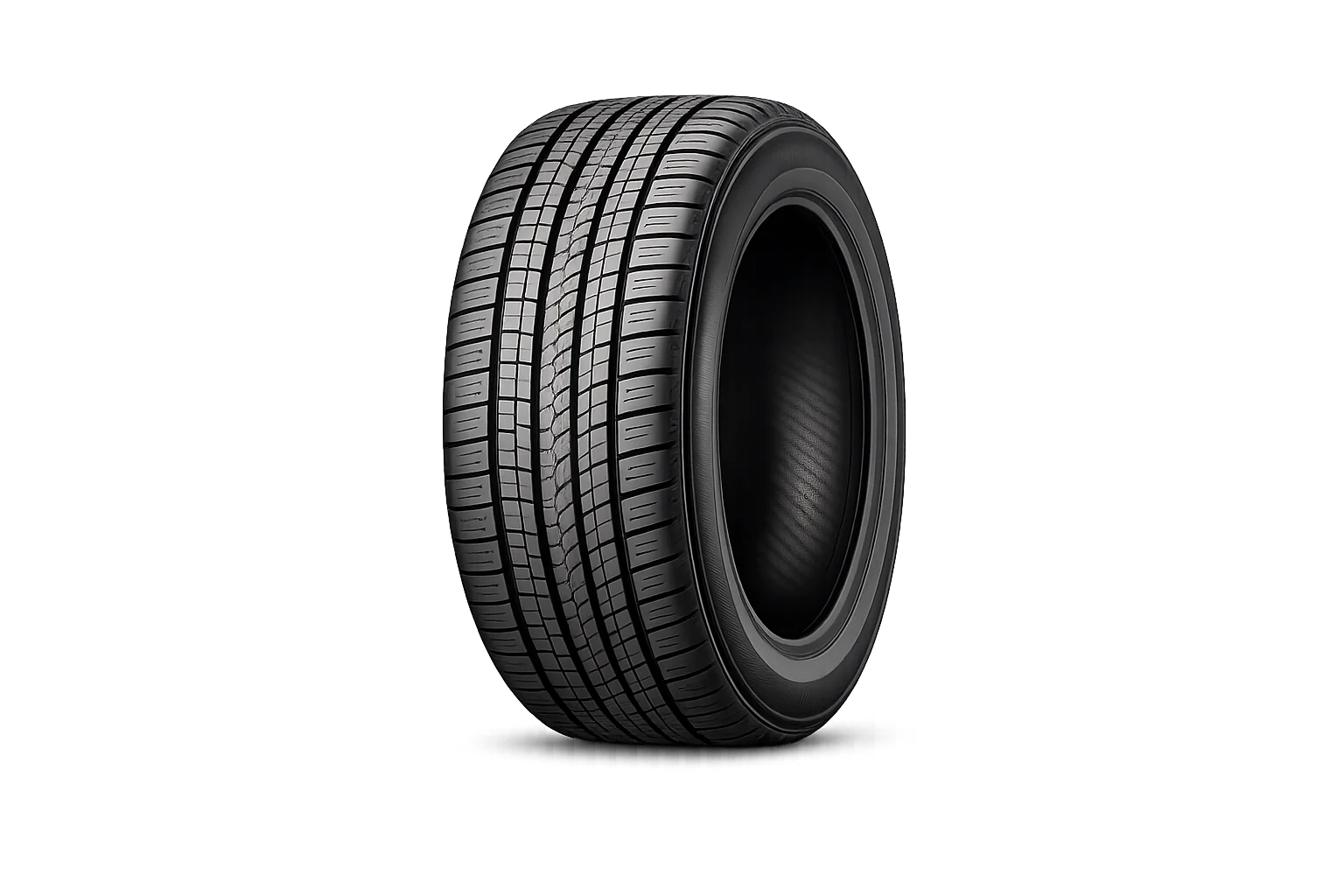
Haida HD937
315/30R23 108W
4.8(8)
The Haida HD937 is an inexpensive high-performance tire for cars and SUVs, with an asymmetric tread, four center grooves and large shoulder blocks, sold mainly…Full details
$1307.96
for 4 tires
$326.99 per tire
at Amazon
Amazon★ Best Price
In StockLoad 108Speed W
$1307.96
for 4 tires
$326.99 per tire
Priority Tire★ Best Price
In StockLoad 108Speed W
$1307.96
for 4 tires
$326.99 per tire
Yokohama ADVAN Sport V107E
315/30R23 111Y
Sale
Summer
5.0(2)
The ADVAN Sport V107E is Yokohama’s ultra-high-performance summer tire for sports cars, performance sedans, EVs and crossovers, with an asymmetric tread, an ult…Full details
$1672.28
for 4 tires
$418.07 per tire
at Walmart
Walmart★ Best Price
Sale
In StockLoad 111Speed Y
Save $67.00 vs next best
$1672.28
for 4 tires
$418.07 per tire
was $1819.96
Amazon
In StockLoad 111Speed Y
$1739.28
for 4 tires
$434.82 per tire
Walmart
Set of 2
In StockLoad 111Speed Y
$1958.00
for 4 tires
$489.50 per tire
Pirelli P ZERO
315/30R23 108/111Y
Summer
The P Zero is Pirelli’s original UHP summer flagship, tuned for dry grip and ride comfort — OE on classic performance and luxury exotics including the Aston Mar…Full details
$3086.68
for 4 tires
$771.67 per tire
at Amazon
Amazon★ Best Price
In StockLoad 111Speed Y
Save $395.24 vs next best
$3086.68
for 4 tires
$771.67 per tire
Walmart
Set of 4
In StockLoad 111Speed Y
$3481.92
for 4 tires
$870.48 per tire
Walmart
Set of 2
In StockLoad 111Speed Y
$3481.92
for 4 tires
$870.48 per tire
Pirelli P ZERO (PZ4)
315/30R23 111Y
Summer
4.9(41)
Exceptional performance that is customized to meet the needs of the most high-end vehiclesFull details
$3481.92
for 4 tires
$870.48 per tire
at Walmart
Walmart★ Best Price
Set of 4
In StockLoad 111Speed Y
Save $153.20 vs next best
$3481.92
for 4 tires
$870.48 per tire
Walmart★ Best Price
Set of 2
In StockLoad 111Speed Y
Save $153.20 vs next best
$3481.92
for 4 tires
$870.48 per tire
Priority Tire
In StockLoad 111Speed Y
$3635.12
for 4 tires
$908.78 per tire